
First, we had amphetamines and cabbage soup. Then came meal replacements, lemon detoxes, skinny teas, and the occasional flirtation with actual exercise.
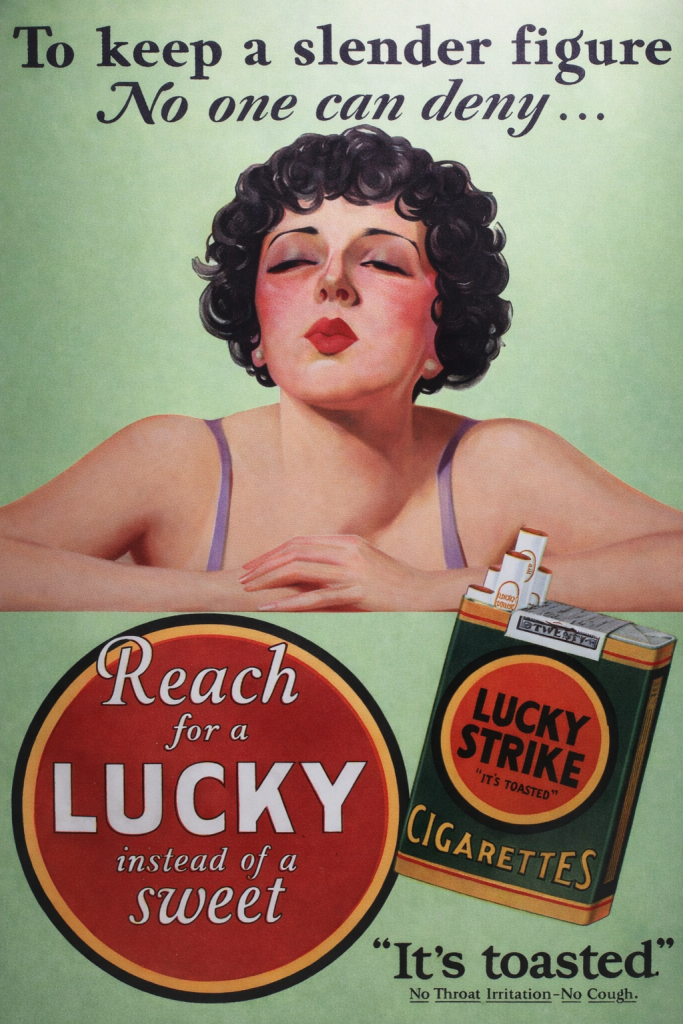
For decades, we wanted the results without the effort. Then GLP-1s arrived. Initially a diabetes treatment, GLP-1s have quietly morphed into the most powerful theme in global healthcare; and arguably one of the biggest economic ripples of the decade.
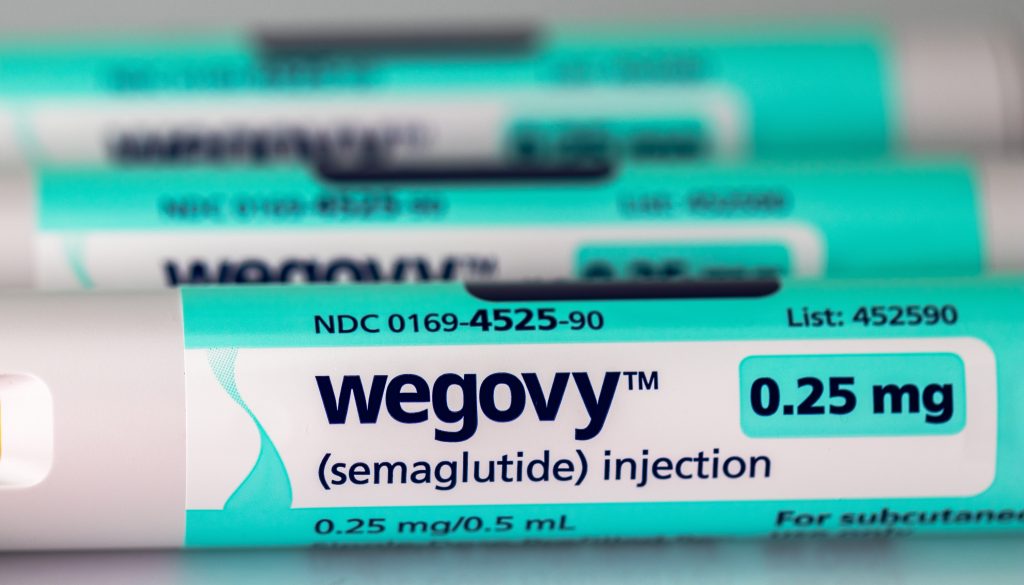
Financial journals estimate the global obesity-drug market could reach ~US$100–105bn by 2030, with some forecasts extending to US$150bn by the mid-2030s, assuming pricing pressure doesn’t get political first.
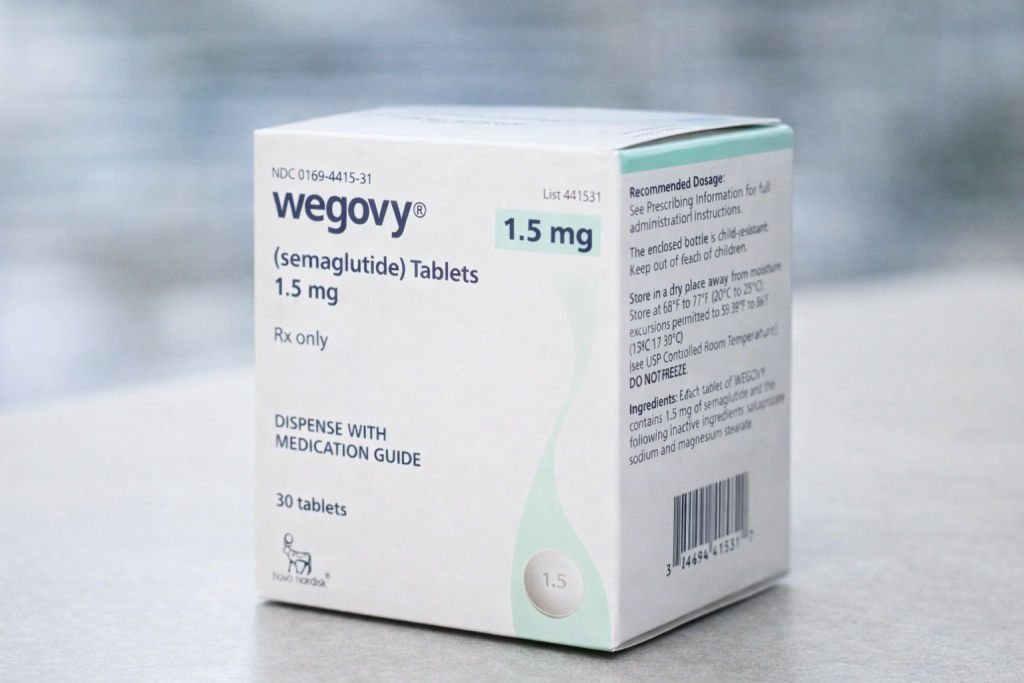
GLP-1s work, and the market knows it. Their popularity has been fuelled by strong efficacy, cultural acceptance of medical weight loss, and easy access through direct-to-consumer telehealth platforms. The next frontier is convenience. In early 2026, Novo Nordisk launched an oral version of Wegovy, widening the addressable market to patients unwilling to use injections and reinforcing its patent-protected dominance.
But the growth of GLP-1s is also a consumer behaviour story, and the second order effects manifest across the whole economy.
Weight loss improves fertility outcomes. If GLP-1s expand access to effective weight management, fertility clinic demand could rise. A drug designed for metabolic control could influence demographics.
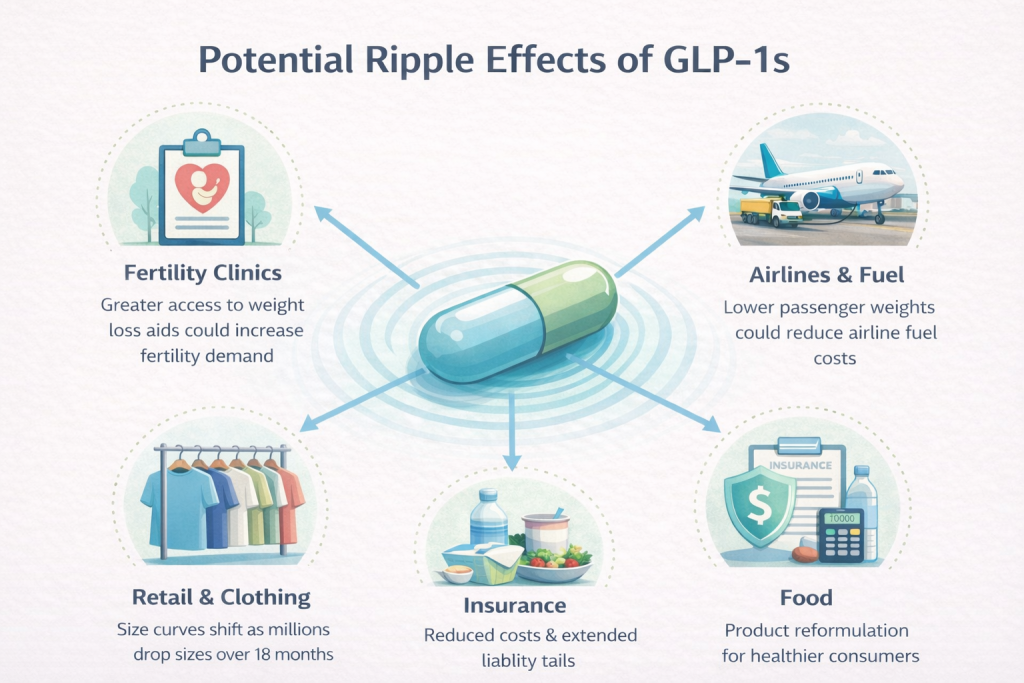
Airlines have openly acknowledged that weight matters. Every kilo on board burns fuel. If average passenger weight drops meaningfully over time, it’s not crazy to think that industry fuel bills fall at the margin.
Clothing retailers have long managed complex size curves. If millions of people drop two sizes over 18 months, that’s not just a health trend, it’s a wardrobe replacement cycle.
GLP-1s could simultaneously reduce acute costs and extend liability tails in the insurance industry. Food companies are reformulating products away from mindless snacks to functional fuel. High-margin sides and alcohol, the quiet profit engines of restaurant menus, may start to lose their appeal.
The list goes on.
The obvious trade was the drug makers. But, what’s potentially more interesting now are the second-order effects most models still treat as noise. The snack margins, the insurance claims ratios, the airline fuel lines, the alcohol volumes. None of those show up neatly in next quarter’s guidance. But they compound.
The opportunity isn’t in buying what’s already repriced. It’s in asking: “If this adoption curve sticks… whose earnings assumptions are quietly wrong?”
From the desk of IGB
Source post: Blackbull Research - Substack